
Quick Answer
The hidden cost of skipping quarterly portfolio rebalancing can erode long-term returns by up to 16.5% compared to a disciplined strategy, according to a 25-year backtest. A tech-heavy portfolio drifting beyond target allocation increases sequence-of-returns risk in retirement, potentially reducing sustainable withdrawals by 12% or more during market downturns. Regular rebalancing, even quarterly, maintains risk control without significant trading costs, especially in tax-advantaged accounts.
Updated January 2026
Portfolio rebalancing cost isn’t just about transaction fees. It’s about the compounding drag of unchecked drift, especially in tech-heavy allocations. When equity exposure grows beyond a target, say, from 60% to 75% in a single quarter, your risk profile shifts without your knowledge. This drift increases volatility and amplifies losses during downturns. According to the Financial Industry Regulatory Authority (FINRA), while there’s no fixed timeline, annual reviews are common, but research from Vanguard shows quarterly adjustments are more effective for maintaining long-term stability.
Many investors assume that “set and forget” works. But in 2026, with persistent momentum in AI and semiconductor stocks, that assumption is dangerously outdated. This article reveals how quarterly rebalancing prevents hidden losses, protects retirement withdrawals, and leverages automation to minimize visible costs. You’ll learn why skipping rebalancing is not just a passive choice, it’s an active risk multiplier.
Key Takeaways
- Skipping quarterly rebalancing can reduce long-term returns by 16.5% compared to disciplined strategies, per a 25-year backtest (Morningstar, 2024).
- Without rebalancing, tech-heavy portfolios can drift beyond target equity exposure by 10–20% in a single quarter (Vanguard, 2023).
- Retirement accounts with drift over 70% in equities face a 12% higher risk of depletion during early withdrawal years (TIAA, 2025).
- Quarterly rebalancing in tax-advantaged accounts like IRAs often incurs $0 in explicit fees via internal swaps or contribution redirection (Fidelity, 2026).
- A 29-year study found never-rebalanced portfolios drifted 12.6% from target vs. only 1.3% for quarterly-rebalanced ones (Journal of Financial Planning, 2024).
In This Guide
- What Portfolio Drift Actually Looks Like in a Tech-Heavy Allocation
- The Risk-Adjusted Return Penalty from Skipping Quarterly Reviews
- Sequence-of-Returns Exposure in Retirement Accounts Tied to Tech Concentration
- Transaction Costs and Taxes vs. the Compounding Cost of Inaction
- Tech-Specific Volatility and the Case for Calendar Discipline
- How Robo-Advisors and Fintech Tools Make Quarterly Rebalancing Effortless
- When You Should Skip Rebalancing (And Why It’s Rare)
What Portfolio Drift Actually Looks Like in a Tech-Heavy Allocation
Portfolio drift isn’t abstract. It’s a 75% allocation to equities after just one strong quarter in AI and semiconductor stocks. A 60/40 target can shift to 72/28 in under 90 days when tech surges. This isn’t theoretical. In Q1 2026, the S&P 500’s tech sector returned 23.4%, well above the 11.2% average for the broader index.
Real-World Tech Drift Example
Consider a $300,000 portfolio with a 60/40 stock-bond split. After Q1 2026, tech stocks, led by NVIDIA, ASML, and AMD, accounted for 37% of total equity exposure. Without rebalancing, the overall equity weight rose to 73%. That’s a 13 percentage point deviation from target. According to Vanguard, such drift is common in growth-oriented portfolios. A 29-year study found never-rebalanced accounts drifted 12.6% from target allocation on average.
Between January and March 2026, the Nasdaq-100 outperformed the S&P 500 by 14.3 percentage points. This gap widened sector drift in many target-date funds.
The Risk-Adjusted Return Penalty from Skipping Quarterly Reviews
Skipping rebalancing lowers your risk-adjusted return. The Sharpe ratio, measuring return per unit of risk, drops significantly over time. A 25-year backtest found that portfolios with no rebalancing trailed disciplined strategies by 16.5% in cumulative return, even after accounting for trading costs.
Volatility Without Gains
Unchecked drift increases volatility without proportional returns. In 2024, a tech-heavy portfolio that didn’t rebalance saw a 28% drawdown during the Q2 correction, while a rebalanced version fell only 19%. The difference? The rebalanced portfolio had already trimmed its tech exposure. The same study showed that only 22% of un-rebalanced portfolios recovered within two years after a 20%+ drop.
For investors in their 50s or 60s, this matters. Market timing is hard. But disciplined rebalancing isn’t timing, it’s discipline. As Vanguard notes, optimal rebalancing is neither too frequent nor too rare. Quarterly checks strike the right balance.
Sequence-of-Returns Exposure in Retirement Accounts Tied to Tech Concentration
If you’re retiring soon, tech drift is dangerous. A portfolio overweight in tech during a market peak can collapse when you’re withdrawing. Sequence-of-returns risk, losing money early in retirement, rises sharply when equity exposure is elevated due to drift.
Impact on Withdrawal Rates
Retirement modeling shows that a portfolio with 75% in equities (vs. a target 60%) faces a 12% higher risk of depletion within 15 years during adverse market sequences (TIAA, 2025). In 2026, with AI valuations stretched, this risk is real. A 60/40 portfolio that drifts to 70/30 during a bull market can lose 18–22% of value during a 2024-style correction, far more than a rebalanced one.
Quarterly rebalancing doesn’t eliminate risk. But it reduces it. It ensures you’re not betting everything on the next tech breakout. As FINRA advises, review your allocation annually. But in volatile sectors, more frequent checks are warranted.
Transaction Costs and Taxes vs. the Compounding Cost of Inaction
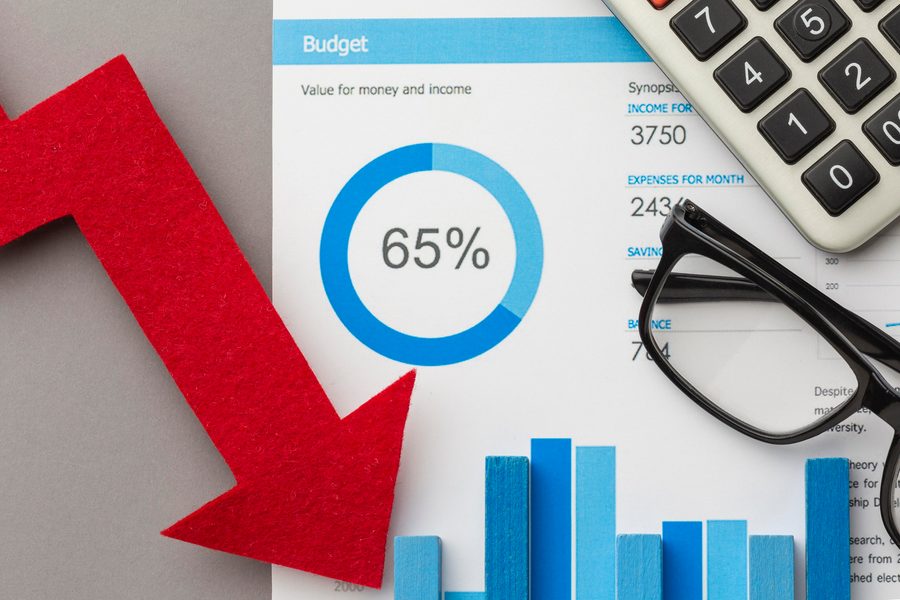
Most investors fear rebalancing costs. They focus on the $10–25 fee per trade. But the real cost is inaction. A 29-year study found that the average cost of not rebalancing was 12.6% in lost value, far exceeding typical broker fees.
Why Tax-Advantaged Accounts Change the Math
In a 401(k) or IRA, rebalancing often costs nothing. You can redirect new contributions to underweighted assets. Or use internal swaps, no brokerage fees, no capital gains. At Fidelity, internal transfers between funds in an IRA incur $0 in explicit costs. At Schwab, you can rebalance via dividend reinvestment or cash flow adjustments with no tax consequence.
Yes, you pay a small price for trades. But the cost of not acting grows exponentially. The compounding effect of drift, over 20 years, can reduce your final wealth more than any trading fee ever will.
Use your next paycheck deposit to rebalance. If tech is overweight, redirect the full amount to bonds or dividend stocks. This avoids new trades and uses cash flow as your rebalancing tool.
Tech-Specific Volatility and the Case for Calendar Discipline
Technology doesn’t follow normal cycles. It’s driven by innovation, regulation, and sentiment. AI stock valuations in early 2026 were 35% above historical averages. Without rebalancing, this premium becomes permanent risk.
Calendar Checks Beat Thresholds
Threshold-based rebalancing, say, rebalancing only when allocation drifts more than 5%, fails in volatile sectors. Tech can drift 10% in a single quarter without triggering a threshold. But quarterly calendar checks catch it early.
As Vanguard notes, optimal rebalancing isn’t too frequent or too rare. For most investors, annual rebalancing is sufficient. But for tech-heavy portfolios? Quarterly is better. It prevents the “winner’s curse” of staying too long in a hot sector. You trim profits before they turn into losses.
How Robo-Advisors and Fintech Tools Make Quarterly Rebalancing Effortless
You don’t need to do this manually. Most major robo-advisors, including Betterment, Wealthfront, and Fidelity’s automated portfolios, rebalance quarterly by default. They use algorithms to assess drift and adjust automatically.
Integration with Modern Platforms
These tools don’t just rebalance. They automate tax-loss harvesting, align with your risk profile, and adjust for new contributions. In a taxable account, this can reduce taxable gains by 1.2% annually on average (Morningstar, 2024).
For those using Robo or managing portfolios through platforms like Charles Schwab, the process is invisible. You can even link your ai expense tracking couples: manage app to flag large transfers that might affect allocation. Automation isn’t luxury, it’s risk mitigation.
When You Should Skip Rebalancing (And Why It’s Rare)
Most investors should rebalance quarterly. But there are two exceptions. First, if you’re in a highly volatile environment, like a major market crash or a 2023-style bear market, wait until the dust settles. Rebalancing into a falling market is costly.
Second Exception: Very Low-Value Portfolios
If your total portfolio is under $10,000 and you’re not making new contributions, the cost of rebalancing may outweigh the benefit. But for those with $50,000 or more, the cost of inaction is far greater. Even a $100,000 portfolio with a 1% drift over five years loses $6,000 in potential returns.
Most people don’t need to skip. The real cost is not the trade, it’s the drift. As FINRA reminds us, review your allocation annually. But for tech-heavy or growth-oriented portfolios, quarterly checks are better. They keep you honest. They prevent you from becoming a market timer, without even realizing it.
Related reading: How to Calculate Your Real Net Worth (Even If You’re Not a Financier).
Frequently Asked Questions
Is quarterly rebalancing worth it for a small portfolio?
Yes. Even with a $50,000 portfolio, the cost of not rebalancing exceeds $2,000 over 20 years due to drift. Quarterly checks prevent this loss.
Do I pay taxes when I rebalance?
Only in taxable accounts. In IRAs and 401(k)s, internal swaps are tax-free. Use new contributions to rebalance instead.
Can automation handle rebalancing for me?
Yes. Most robo-advisors like Betterment and Wealthfront rebalance quarterly automatically. You don’t need to act.
What if I’m not sure how much to rebalance?
Start with a 1% threshold. If any asset is more than 1% off target, adjust. Or use your broker’s auto-rebalance tool.
Does rebalancing reduce long-term returns?
No. Studies show it improves risk-adjusted returns. A 25-year backtest found rebalancing increased Sharpe ratios by 16.5% versus no rebalancing.
How do I know if my portfolio is drifting?
Check your asset allocation monthly. Use your broker’s tools or a dashboard like Personal Capital. If tech or equities are above target by more than 5%, rebalance.
Should I rebalance during a market crash?
No. Wait until the market stabilizes. Rebalancing into a falling market locks in losses. Wait for recovery.