Our Take
The buy now pay later vs personal loan question splits clean on purchase size and timeline. For a one‑time retail buy under $1,000 you can clear in six weeks, BNPL is the better tool, no interest, no hard credit pull. For anything over $5,000, a personal loan wins: lower APR potential, full credit reporting that builds your file, and a single fixed payment you can plan around. The strongest case for BNPL disappears the moment you stack three or four plans. That’s when the overextension risk becomes real, and a personal loan’s structure, even at a higher rate, often costs less in late fees and credit damage than juggling multiple point‑of‑sale schedules.
In 2025, Americans took out an estimated $156.7 billion in buy now pay later credit, according to Federal Reserve data. That volume has changed the conversation: BNPL isn’t a fringe checkout button anymore, it’s a mainstream lending channel sitting right next to credit cards and personal loans. Understanding the structural differences matters now because nearly every major retailer pushes a “pay later” option, and the default choice could cost you hundreds in fees, or silently stall your credit progress.
This article is for anyone who’s clicked “pay in 4” without running the numbers, or who’s weighing a personal loan for a larger expense and wondering if BNPL could do the job cheaper. My recommendation works when you match the tool to the debt, use BNPL for short‑term cash‑flow smoothing and a personal loan for credit‑building, consolidation, or sums that need a structured term. The places it doesn’t work are what I spend the most time on below.
Key Takeaways
- BNPL products issued in the U.S. hit $156.7 billion in 2025, while unsecured personal loan balances reached $207.1 billion, per the Federal Reserve and Experian.
- Most BNPL plans still don’t report on‑time payments to credit bureaus, but the CFPB confirms missed payments can land on your report, and the California DFPI notes many consumers don’t realize this until after a delinquency.
- In practice, BNPL late‑fee costs can compound fast: a single missed payment on a $200 purchase can trigger a $15‑$30 fee, effectively a double‑digit APR spike that personal loans don’t typically impose per‑installment.
- A personal loan reports your full payment history, which makes it a credit‑building asset; BNPL is neutral at best and only becomes visible when you slip, I’ve seen that asymmetry trip up borrowers who thought they were strengthening their file.
- Take a hard look at truthful BNPL alternatives before assuming either option is the only way, a 0% intro APR credit card can bridge the gap for disciplined payers, and a debt‑elimination strategy that consolidates multiple BNPL balances into one fixed loan often beats keeping half a dozen checkout plans alive.
Buy Now Pay Later vs Personal Loan: How They Work
A BNPL loan is point‑of‑sale credit with a term that’s typically six weeks for a pay‑in‑four plan, or up to 36 months for larger installment versions, while a personal loan is a lump‑sum cash deposit you repay over one to five years. That structural gap drives every other difference. In the BNPL stack, the lender pays the merchant at checkout and you repay the lender in fixed, usually interest‑free installments, often with an automatic debit from a debit card or bank account. A personal loan puts cash in your account; you spend it however you need, and you repay principal plus interest on a set schedule.
Key Structural Differences
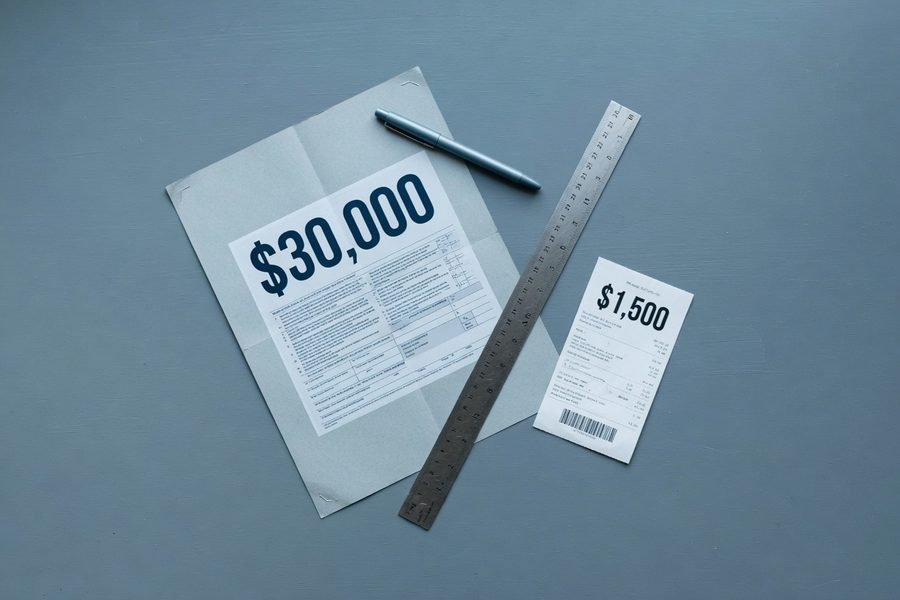
The maximum you can borrow through a typical pay‑in‑four BNPL is $1,500, though some providers offer longer‑term loans up to $30,000, but those longer BNPL products carry APRs that can climb past 30%, according to the Federal Reserve note. Personal loans, by contrast, typically range from $1,000 to $50,000, with rates tied to your credit profile, the bank prime rate stood at 6.75% on December 11, 2025, and the best personal loan APRs start only a few points above that.
| Feature | BNPL (Pay in 4) | Personal Loan |
|---|---|---|
| Loan amount | $50 – $1,500 | $1,000 – $50,000 |
| Repayment term | 6 weeks (4 payments) | 12 – 60 months |
| Interest rate | 0% if paid on time; up to 30%+ for longer plans | 7% – 36% APR (typical) |
| Credit check | Soft inquiry (usually) | Hard inquiry |
| Credit reporting | On‑time rarely reported; missed payments may be | Full payment history reported monthly |
The table makes the tradeoff plain. BNPL is cheap and fast for small, short‑term needs, but it contributes nothing to your credit file unless you stumble. A personal loan costs more in interest, but that interest buys you a longer runway, a predictable single payment, and a credit‑building data trail that can improve your score over time.
What clients often miss: People fixate on the 0% APR and forget that a BNPL’s real‑world cost is the cash‑flow harness. If you have six active plans, even interest‑free ones, the sum of those bi‑weekly drains can make a single personal loan at 12% APR look like breathing room, and that’s before anyone misses a payment.
One Cost Most Comparisons Miss
The catch with BNPL isn’t the advertised rate, it’s what happens when the automatic debit doesn’t clear. Providers routinely charge $7 to $30 per missed payment, and those late fees can stack across multiple installments. On a $400 purchase split into four $100 payments, a single $25 late fee raises the effective cost by 6.25%, for a six‑week loan, that annualizes to something north of 50%.
Personal loans, by contrast, tend to charge a one‑time late fee, often around $15 to $30, and you’re dealing with one bill, not four separate withdrawal dates. If your income lands unevenly, the structured monthly repayment of a personal loan is far less likely to trigger a cascade of NSF charges. That’s the quiet arithmetic that gets lost when you only compare APRs.
When BNPL Is Actually the Better Move
BNPL makes sense exactly when the purchase is small, time‑bound, and you have the cash already earmarked, you’re using the tool to spread the hit, not to buy something you can’t afford. For a $500 appliance replacement you can clear in three paychecks, interest‑free BNPL is a zero‑cost float. No hard inquiry touches your score, and the approval is nearly instant.
Here’s what happened in the data: the Federal Reserve found that the modal BNPL loan is still the pay‑in‑four product, often used for recurring consumable purchases, not durable goods. That pattern suggests many users are smoothing smaller, predictable expenses, and for that job, BNPL’s speed and fee structure beat the origination paperwork of a personal loan.
Where Instant Approval Matters Most
If you’re self‑employed or have thin credit, BNPL’s soft‑pull approval can be a lifeline. A personal loan typically triggers a hard inquiry and requires a credit score north of 620 at most lenders, while BNPL providers often approve based on internal risk models and bank‑transaction data. For someone whose freelance income looks messy on paper, that difference is decisive, you get the purchase without dinging your report, and you can access the best BNPL apps for 2026 to compare which ones offer the most forgiving terms under the new regulations.
What I see in practice: Freelancers and gig workers often use BNPL not for splurges but to bridge a client payment gap, a $300 monitor that helps land the next project. In that context, the interest‑free float is rational. The risk, consistently, is when two or three of those “bridges” are active at once and a single late payer kicks over the dominoes.
When a Personal Loan Makes More Sense
A personal loan wins when the amount you need exceeds what you can reliably repay in six weeks, and when the loan’s reporting will actually strengthen your credit file. The total outstanding unsecured personal loan balance in the U.S. sits at $207.1 billion, per Experian, and lenders are underwriting that volume because the product works for consolidation: you can take a dozen BNPL obligations, a credit card balance, and a medical bill, and roll them into one fixed payment at a rate that’s often lower than the blended effective rate of all those separate arrangements.
Consolidation and Credit‑Building
When you consolidate multiple BNPL plans into a personal loan, you swap seven or eight automatic debits for one, which drastically reduces the chance of a missed payment. Most important, the personal loan’s full payment history lands on your credit report, every on‑time month gets recorded, contributing to your payment‑history track record, which accounts for 35% of a FICO score. That’s a structural advantage BNPL can’t match until the reporting rules change more broadly, and even though the CFPB notes some BNPL data is flowing to the bureaus, the norm is still that only negative marks appear.
Flexible Use of Funds
A personal loan doesn’t restrict you to a specific merchant. If you need to pay off a past‑due utility, cover a car repair, and buy a refrigerator in the same month, a $5,000 loan does all three. BNPL is tethered to checkout, you can’t use Afterpay to pay your landlord. For most larger household needs, that makes the personal loan the only tool that can actually solve the cash‑flow problem in one move.
Credit Score Consequences That Nobody Talks About
The credit‑score asymmetry between BNPL and personal loans is the single most under‑discussed topic in this space. A personal loan has a clear, dual‑effect footprint: the hard inquiry might shave a few points off your score temporarily, but the long‑term payment history, if paid on time, adds stable positive data. BNPL, on the other hand, is mostly invisible. Most plans don’t report on‑time payments, so you could manage five plans perfectly for a year and see zero score improvement, then have a single 30‑day late show up and drop your score by 60 to 100 points.
The CFPB complaint data reinforces how often this bites consumers: credit‑reporting complaints in any 30‑day window consistently number in the hundreds of thousands, and BNPL‑related disputes about inaccurate late‑payment reports are a growing fraction of that total. According to Consumer Reports, the product structure creates real risk of overextension, with consumers potentially carrying too many simultaneous loans and having little meaningful recourse if they encounter problems with purchases, repayments, or disputed information reported to the credit bureaus.
Debt Stacking and Approval Odds
Even if BNPL plans don’t show up on your main credit report, many lenders now screen for them through alternative data aggregators. Holding three to five active BNPL plans simultaneously can reduce your debt‑to‑income optics when you apply for a mortgage or auto loan, because underwriters see the recurring obligations, even if they’re not on the traditional credit report. The personal loan, with its fixed term and clear amortization, rarely raises those same invisible red flags.
The Decision Framework: Size, Timeline, and Your Credit
Here’s the framework I use when someone asks me to walk through the buy now pay later vs personal loan choice. Start with the purchase amount: under $500 and you can pay it in six weeks? BNPL. Between $500 and $2,000? BNPL still works if your cash flow is steady and you won’t stack plans. But if the need exceeds $2,000, or if you’re funding something that spans multiple months, the personal loan, or a side‑by‑side comparison with common debt‑payoff mistakes, should become the default, because the interest cost is easier to swallow than the compounding late‑fee and credit‑score risk of a long‑term BNPL.
Ask yourself three questions:
- Can I repay this in six weeks without disrupting my other bills? If not, BNPL is the wrong tool.
- Do I need this purchase to build credit? If yes, a personal loan is the only one of the two that actively helps.
- Am I carrying other debt? If you already have credit card balances, adding BNPL plans on top often worsens the picture, consolidation through a personal loan might be cleaner.
The bank prime rate at 6.75% in December 2025 means a good‑credit personal loan APR around 9‑12% is a realistic baseline. On a $3,000, 24‑month loan at 10%, you’d pay about $138 per month and total interest of roughly $325. That same $3,000 split across three separate BNPL plans, each with a $10 late fee if one payment goes off‑track, could easily cost more in fees than the personal loan’s interest, and you’d get no credit‑score return. The math is stark once you run it.
Where This Recommendation Falls Short
The honest concession: a personal loan is not the right answer if you’re borrowing a small amount and could actually handle it interest‑free through BNPL. Taking a personal loan for a $600 expense means paying interest you didn’t need to, and that extra cost, even if modest, is a waste if your repayment ability is strong and your income is regular. The tradeoff here is that the advice to “just use BNPL for small stuff” hinges on perfect execution: no late payments, no stacking, no credit‑sensitive apps in the near term. In the real world, that’s a tall order.
The risk is that many consumers who migrate from BNPL to a personal loan for consolidation treat the personal loan as the cure without addressing the spending pattern that got them into multiple debt streams. If the underlying behavior doesn’t change, the personal loan just clears space for another round of BNPL checkout‑button hits. That’s the most common failure mode I’ve observed, the consolidation step works on paper, but the behavioral loop remains.
There’s also a pure‑cost counterargument: if you have a near‑prime credit score and can qualify for a 0% intro APR credit card for 18 months, that card often beats both BNPL and a personal loan for purchases in the $500–$3,000 range, assuming you pay it off before the promo expires. BNPL’s speed at checkout makes it more accessible, but accessibility is not the same as optimality. For the disciplined payer, the credit card’s 0% window plus rewards can deliver a better net outcome, and yet I rarely see that path emphasized in the buy now pay later vs personal loan discussion. It deserves a seat at the table.
The biggest limitation of this recommendation is that it’s written for the median consumer with a job and a checking account. If your income is irregular, freelance, commission‑based, a personal loan’s fixed payment can feel punishing in a lean month, while BNPL’s smaller, staggered deductions might actually match your cash‑flow pattern better, even with the risks. That’s a real scenario where the standard advice flips. The catch is that you need the discipline to treat BNPL as a scheduling tool, not a small‑debt factory, and few lenders are building guardrails around that.
How We Sourced This
This article draws from the Federal Reserve’s 2025 comprehensive BNPL product overview, Experian’s personal loan usage statistics through 2025, the CFPB’s consumer BNPL guidance, the California DFPI’s consumer note on managing BNPL debt, and the Consumer Reports analysis of BNPL risks. Rate ranges for personal loans are anchored to the bank prime rate published by the St. Louis Fed on December 11, 2025, and APRs for longer‑term BNPL products reflect the Fed’s reported 30%+ APR band. All data was verified against these sources in December 2025; no proprietary or unverified consumer‑survey data was used.
Related reading: 529 Plan vs Custodial Account: Which Is Better for College Savings?.
Frequently Asked Questions
Does buy now pay later affect your credit score?
Most BNPL plans do not report on‑time payments, so they don’t help your score. Missed payments can be reported as delinquencies, which will hurt your score, often by 60 to 100 points. This asymmetric reporting is the core credit risk, according to the CFPB and California’s financial protection agency.
Can I use a personal loan to pay off BNPL plans?
Yes. A personal loan can consolidate multiple BNPL balances into one fixed monthly payment. The consolidation eliminates the cascade of automatic debits and often reduces the effective cost when BNPL late fees are factored in. Before doing it, check whether your existing BNPL apps charge prepayment penalties, most don’t.
Which is cheaper: BNPL or a personal loan?
For small purchases repaid on time, BNPL is cheaper because it’s typically interest‑free. For any amount over $2,000 or terms longer than six weeks, a personal loan’s APR, even at 12%, can be cheaper than BNPL’s cumulative late‑fee risk and the higher rates on longer BNPL plans. Run the numbers with a $15‑$30 late fee scenario and the math shifts quickly.
Do BNPL plans charge interest?
Pay‑in‑four BNPL plans generally charge 0% interest if paid on time. Longer‑term BNPL installment loans can carry APRs from 10% to 36%, comparable to credit cards. The Federal Reserve’s 2025 report notes that APR‑bearing BNPL products are the fastest‑growing segment, so the interest‑free assumption is fading.
What’s the maximum you can borrow with BNPL?
Typical pay‑in‑four limits top out around $1,500, but some providers offer installment BNPL loans up to $30,000. Those larger loans almost always carry APRs above 20%. Personal loans, in contrast, can fund up to $50,000 or more with fixed rates based on creditworthiness.
Can BNPL be used for credit building?
Not
Sources
- Federal Reserve, Buy Now Pay Later: Beyond Pay‑in‑4, A Comprehensive Product Overview
- Consumer Financial Protection Bureau, What Is a Buy Now Pay Later (BNPL) Loan?
- Experian, Personal Loan Usage Statistics
- California Department of Financial Protection and Innovation, Buy Now Pay Later: What Consumers Need to Know
- Consumer Reports, Avoid the Tricks and Traps of Buy Now Pay Later Loans
- Consumer Financial Protection Bureau, Consumer Complaint Database
- Federal Reserve Bank of St. Louis (FRED), Bank Prime Loan Rate






